Abstract: The Economic Impact of E-Waste
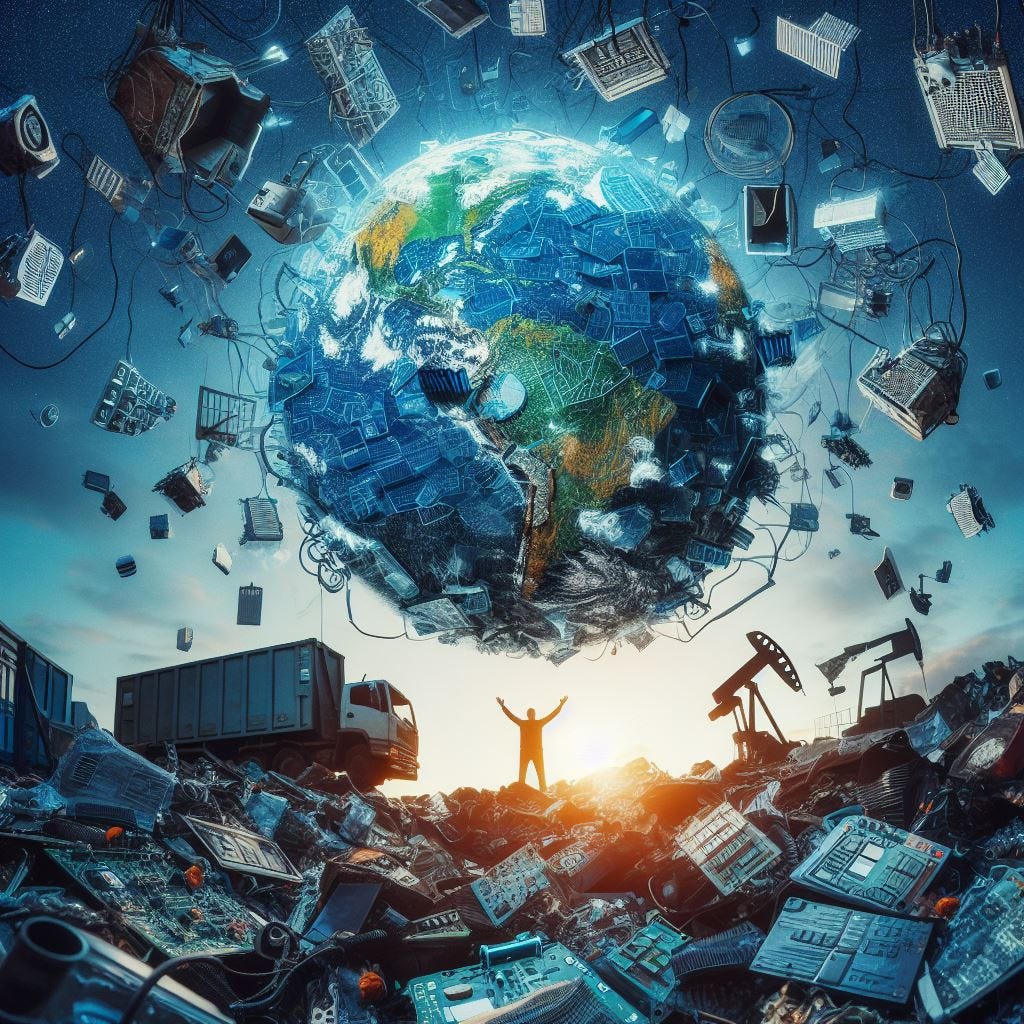
E-waste, or electronic waste, is a growing problem that significantly impacts both the environment and human health. Improper disposal releases toxic substances like lead, mercury, and cadmium, contaminating soil and water and posing serious health risks, including neurological damage and respiratory issues. Environmentally, e-waste harms wildlife and disrupts ecosystems, while burning it contributes to air pollution and climate change. Economically, e-waste represents a loss of valuable materials and increases costs for waste management and cleanup. Informal recycling sectors in developing countries often lack safety measures, leading to health risks for workers and additional economic burdens. Addressing the e-waste crisis through improved recycling technologies and sustainable practices can mitigate these impacts and protect both the environment and human health. What can we do to limit the environmental effect of e-waste?